Ecuador & The Galápagos: A Journey Through Cities, Islands & the High Andes
A first‑hand journey through Ecuador’s colonial cities, highland haciendas and the wildlife‑rich Galápagos Islands, blending gentle adventure, culture and characterful places to stay.
Ecuador and the Galápagos had been on my wish list for a long time, but I did not fully appreciate just how much variety you can experience in a relatively short trip. In less than two weeks I wandered through Quito’s atmospheric old town, snorkelled alongside playful sea lions and turtles in the Galápagos, browsed colourful markets in Otavalo, stayed in historic haciendas in the highlands and walked at the foot of Cotopaxi, one of the world’s highest active volcanoes. This report is a first‑hand look at that journey: how the destinations fit together, what the experiences really feel like on the ground and the styles of accommodation that work particularly well. It is designed to give you a clear sense of whether this kind of trip might be right for you, and to spark ideas for a tailor‑made itinerary that matches your own pace, comfort level and interests.
I spent just under two weeks exploring Ecuador and the Galápagos Islands, and it turned out to be one of the most varied and memorable trips I have ever taken: wildlife encounters, colonial cities, Andean landscapes, traditional haciendas and some truly special places to stay.
The journey began in Quito, a city that very quickly gets under your skin. I stayed in a beautiful boutique hotel in the historic centre, surrounded by cobbled streets, colourful facades and churches that glow beautifully when lit up at night. Mornings started with relaxed breakfasts (including a very popular omelette station), followed by time in the old town: walking through grand plazas, visiting ornate churches such as the Basilica and the richly decorated Iglesia de la Compañia de Jesús, and soaking up views of the city and surrounding mountains from the Virgin of El Panecillo viewpoint. There was even time for a chocolate tasting and chocolate‑making session, learning how Ecuadorian cacao goes from bean to bar, which was as delicious as it sounds.
From there, the trip moved to the Galápagos Islands, where everything feels a little bit like stepping into a nature documentary. We began gently with a visit to a giant tortoise breeding centre and a first introduction to the local wildlife: mockingbirds, land tortoises and, down by the port, sea lions draped across benches and lava rocks as if they owned the place, bright red Sally Lightfoot crabs clinging to the shoreline.
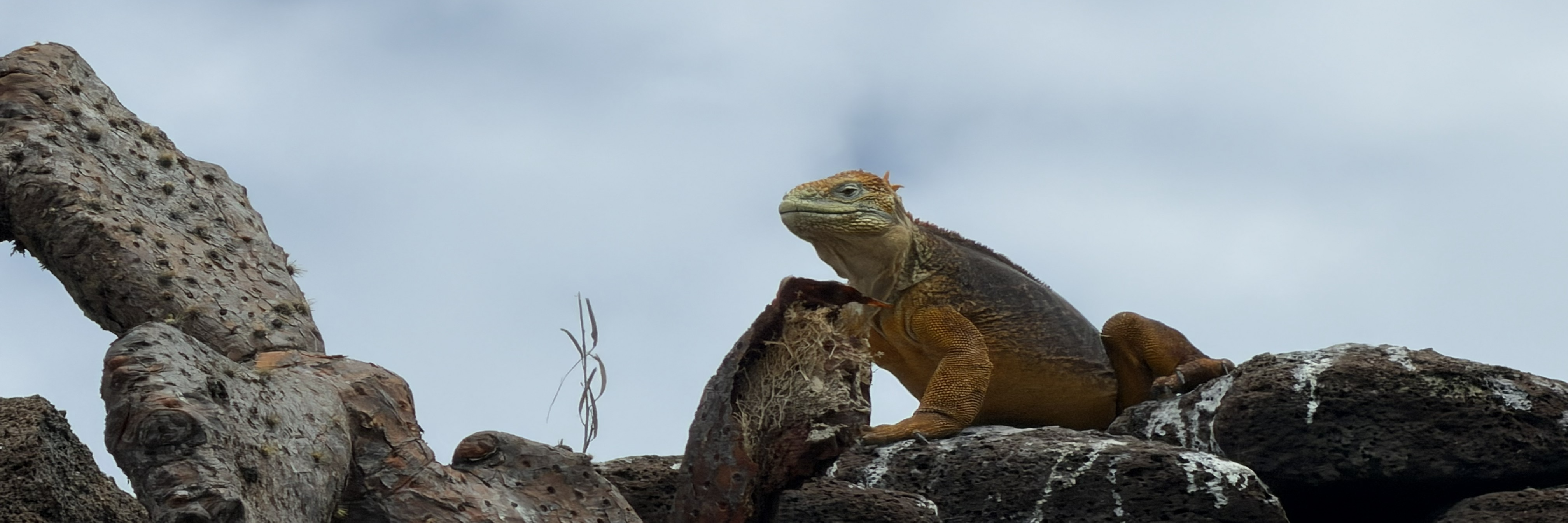
Over the following days I experienced both the “cruise” side of the Galápagos and how the islands can work from a land‑based stay. Beach landings and short hikes brought encounters with blue‑footed boobies (including a chick only a few days old), land iguanas, Galápagos hawks, albatross, marine iguanas and countless other bird species. Sea lions were a constant presence, whether snoozing on beaches, playing in the surf or popping up curiously next to us in the water.
Snorkelling quickly became one of the real highlights. Although I only started earlier this year, some of the sessions on this trip are already firmly in the “unforgettable” category: drifting over turtles trying to camouflage themselves in rocky shallows, watching a baby sea lion chase a shoal of fish, seeing stingrays for the first time, and swimming through crystal‑clear blue water filled with colourful fish while sea lions looped and twisted all around us. On land, short walks led to secluded beaches where turtles cruised just offshore and crabs in brilliant reds and oranges scuttled over jet‑black lava.
There was also time to see a more traditional, rural side of the islands. On Santa Cruz I visited a small farm where sugar cane is pressed and turned into sugar and local “moonshine”, and where coffee and cacao beans are roasted and ground into wonderfully aromatic treats. Further inland, volcanic sinkholes surrounded by highland forest showed a different face of the archipelago, and at a ranch in the uplands I walked among free‑roaming giant tortoises before heading underground into long, naturally formed lava tunnels.
A few hotel visits gave a useful insight into the styles of accommodation available. There are modern, boutique‑style properties with leafy courtyards and relaxed pool areas in town, ideal for land‑based stays, as well as more secluded, eco‑minded hideaways by the water that offer a “barefoot luxury” feel, lush gardens and a real sense of escape. One luxury tented camp in the highlands, with far‑reaching views and a “safari meets island” atmosphere, was particularly special.
Leaving the islands, the trip shifted tone again on the Ecuadorian mainland, heading into the highlands. Characterful haciendas became the base for exploring the Andean countryside: traditional properties with thick stone walls, courtyards, wooden beams, fireplaces and a sense of history, often still working farms. Meals were typically generous and homely, with many recipes passed down through families, and in one case the owner proudly showed us his old mill, now transformed into a small event venue and restaurant, with a basement where he brews his own beer and distils whisky.
The landscapes here are just as memorable as the wildlife offshore. Highland lakes such as Lago San Pablo sit in calm basins framed by hills and volcanoes, with viewpoints perfect for photography stops. In Cotacachi Cayapas and similar areas, short hikes lead up to crater‑lake viewpoints where the air is crisp, the light is clear and the surrounding mountains feel wonderfully close.
Cultural experiences featured strongly too. In and around Otavalo, a region famous for its textiles, I visited a local weaver to see her working at the loom and to learn the difference between sheep’s wool, alpaca and baby alpaca. The nearby market is a riot of colour, filled with blankets, scarves and handicrafts, and ideal for anyone who enjoys bringing something handcrafted home. Lunches in historic haciendas, often accompanied by local musicians, added to the sense of place, with Ecuadorian dishes served in elegant, colonial‑style dining rooms.
One of the biggest highlights on the mainland was time spent in and around Cotopaxi, one of the world’s highest active volcanoes with a classic snow‑capped cone that rises impressively from the plateau. A visit to Cotopaxi National Park included a short introductory talk and then a walk at around 3,800 metres. You can definitely feel the altitude, but the expanses of páramo grassland, lagoons and open skies more than compensate. On this occasion the weather played along perfectly: just as we finished the walk, the clouds lifted and the summit of Cotopaxi revealed itself, giving that postcard‑perfect view everyone hopes to see.
Staying in traditional haciendas close to the volcano added to the sense of being embraced by the landscape. These properties often sit on working farms, with views across rolling hills and Cotopaxi on the horizon, cosy rooms, roaring fires and thick blankets ready for the cool Andean evenings. It is an ideal setting for clients who like a blend of comfort, authenticity and soft adventure.
On the final day, a gentle horse ride around one of the hacienda estates at the foot of Cotopaxi provided a perfect finale. No previous riding experience was required: the guides were excellent, the horses calm and sure‑footed, and even complete beginners felt at ease. Riding through wide open fields with the volcano in the background and the Andes stretching away in every direction was a real “pinch me” moment. My only practical tip from personal experience: make sure your pockets zip properly, as phones and loose items have a habit of bouncing out when you least expect it!
Taken together, this journey showcased just how much Ecuador offers in a relatively compact area:
- The wildlife spectacle of the Galápagos, with sea lions, turtles, rays, boobies, iguanas and giant tortoises.
- The culture and history of Quito, Otavalo and the highland haciendas.
- Dramatic landscapes, from crater lakes and páramo to one of the world’s most striking active volcanoes.
- A wide range of characterful accommodation, from boutique city hotels and coastal eco‑retreats to luxury tented camps and atmospheric haciendas.
If you are considering Ecuador and the Galápagos for your own adventure, I would be delighted to use these first‑hand experiences to design a trip that matches your pace, comfort level and interests: whether that is more wildlife, more culture, more walking or simply more time relaxing in beautiful places.